'Three to five days' is the answer everyone gives — here's what actually decides whether your home dries in three days or ten, and why 'dry to the touch' is a trap.
The short answer, and why it's slippery
Most residential water losses dry in three to five days of active drying. But that range hides everything that matters: a clean-water leak caught in an hour is a three-day job; a flooded basement discovered after a vacation, with water wicked two feet up the drywall, can run past a week — plus demolition time if saturated material has to come out first.
Anyone who quotes you an exact day count before measuring your walls is guessing. We measure first, then talk timelines.
The four things that set the clock
How much water and how long it sat — water migrates into wall cavities, under flooring and into insulation, and every hour of sitting time adds drying time at the far end. What's wet matters too: carpet and pad dry fast, hardwood slowly and carefully, and plaster, tile assemblies and insulated walls each have their own pace.
The water's category matters as well — clean water allows in-place drying, while contaminated water means removing affected porous materials, which changes both the timeline and the scope. And the building itself counts: a tight, newer Maryland home dries differently from a drafty older one in winter versus summer humidity.
Why 'dry to the touch' is a trap
Surfaces lie. Drywall can feel bone dry while the studs and insulation behind it hold enough moisture to grow mold for months. That's why professional drying ends with verification, not vibes: moisture meters and hygrometer readings compared against dry standards for each material, documented in the job file.
Pulling equipment a day early to save money is the classic false economy — it's how a water loss becomes a mold remediation a season later, at several times the price.
What your days will actually look like
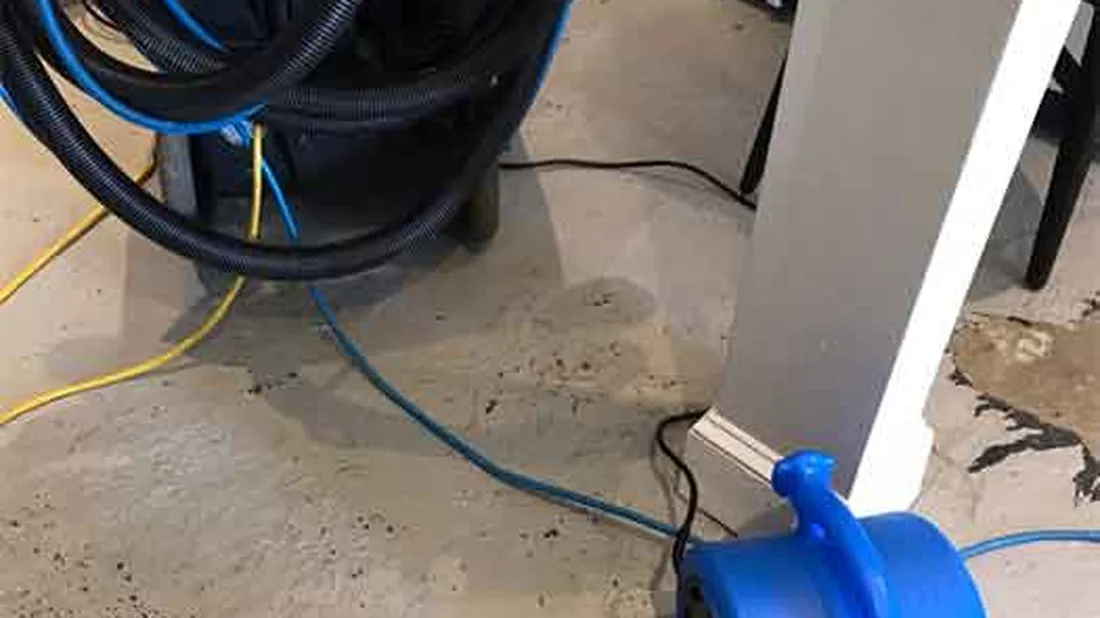
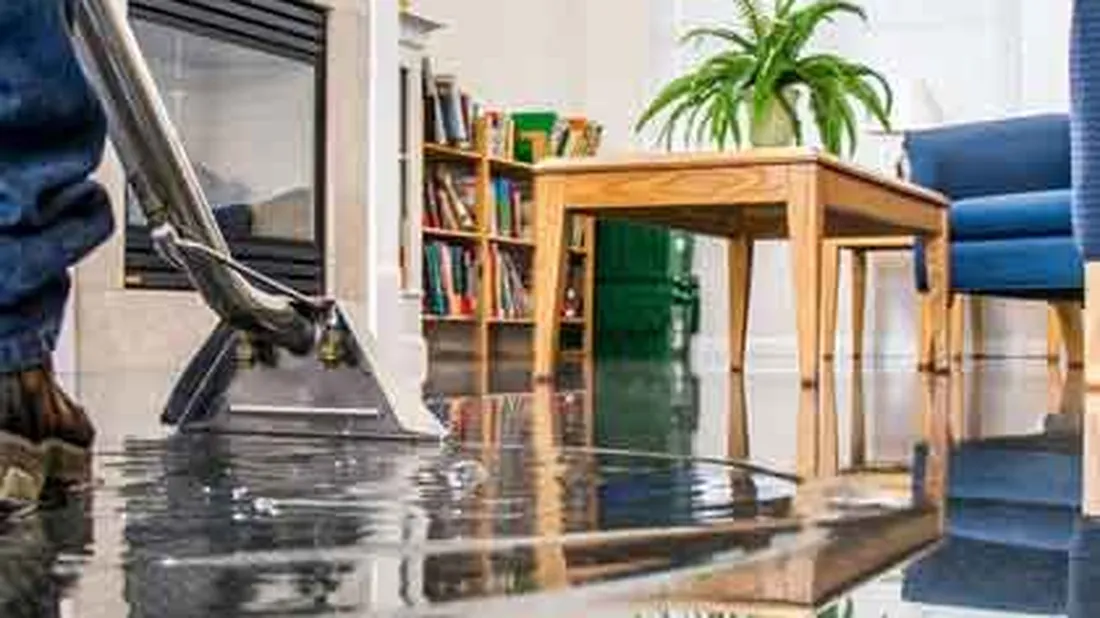
Day one is extraction and setup — the noisy, busy day. After that, equipment runs continuously and we return to monitor readings, adjust machines and check progress; your home stays livable in most cases, with the work contained to the affected rooms. When verified targets are met, equipment comes out and the repair phase — drywall, flooring, paint — is scheduled.
Total honesty: drying is the unglamorous middle of a restoration job, and it's also the part that determines whether there IS a mold chapter later. It takes as long as your walls say it takes — we just make sure you know the number every day.
Need This Handled?This guide covers Water Damage Restoration — the service behind this article. Free assessments, 24/7 response across Maryland: (855) 809-6899 or read about the service.
Water Damage Can't Wait — Neither Should You
Every hour of standing water means more damage and a bigger repair. Request your free assessment online and we'll call you back to confirm — or call now and a coordinator will dispatch a crew.