
A sewage backup is the one water loss nobody should clean themselves. What makes it hazardous, how professionals handle it in Beltsville homes, and how to lower the odds it happens again.
Why sewage is a different category of emergency
Every water loss is graded by contamination, and sewage sits at the top of the scale. Water that comes back up through a drain or toilet carries bacteria, viruses and other pathogens from the sewer line — which makes a backup not just a flood but a biohazard cleanup. It is, plainly, the scariest water problem a Beltsville homeowner can find in the basement, and the one where 'I'll mop it up myself' carries real health risk.
Sewage backups happen when the main line is blocked by roots, grease or a collapsed section, when municipal lines surcharge during heavy rain, or when a home's line simply can't carry what a storm is sending at it. Beltsville's mix of older homes and mature trees puts both root intrusion and aging laterals on the local list.
What not to do
Don't wade in without protection, don't run a household vacuum or fan — contaminated water aerosolizes what you least want in the air — and don't flush, run water or use drains anywhere in the house until the line is cleared; every gallon you send down has nowhere to go but back up. Keep children and pets out of the affected area completely, and if sewage has reached the HVAC system, leave the system off so it doesn't distribute contamination through the house.
How professionals clean a sewage loss
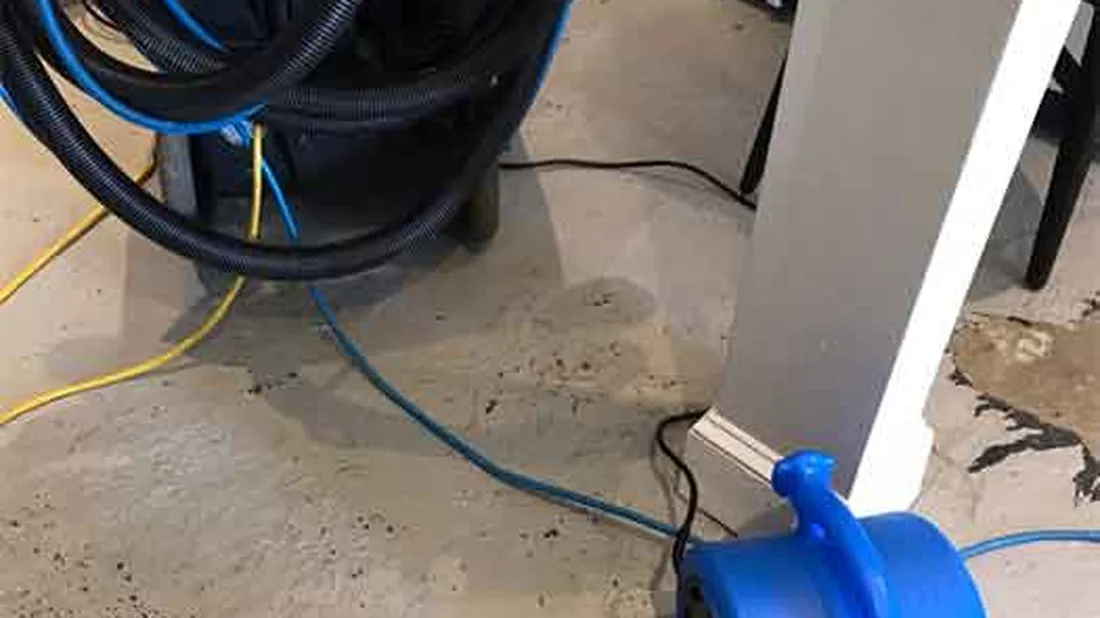
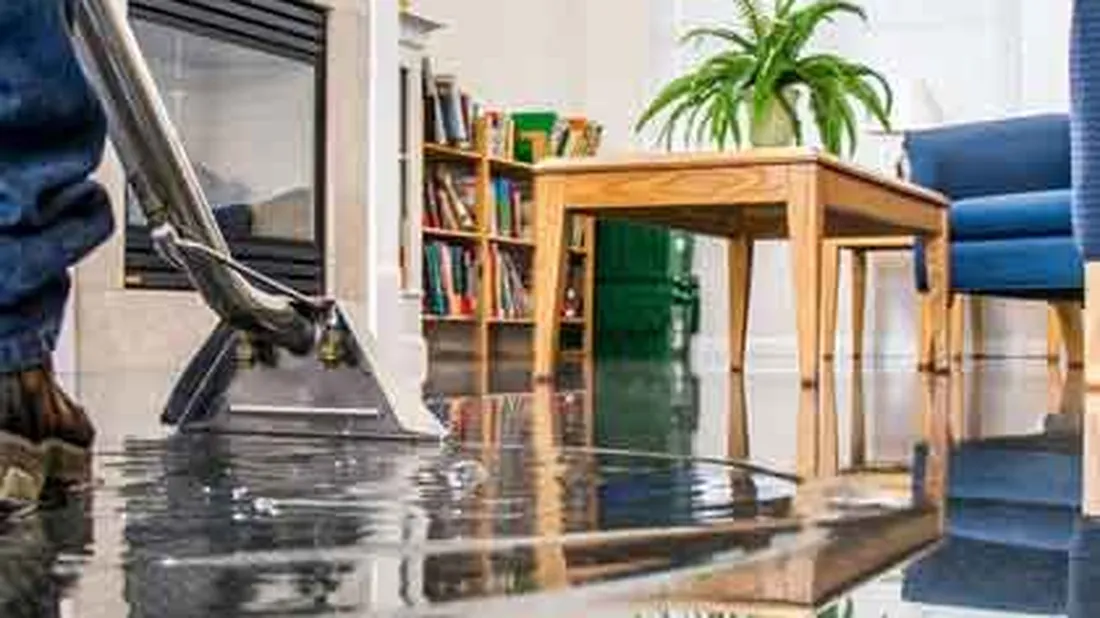
Our crews treat a backup as the biohazard job it is: protective equipment, containment of the affected area, removal of contaminated porous materials (carpet, pad, drywall that wicked sewage), extraction, and disinfection of every affected surface with professional-grade antimicrobial agents. The structure is then dried like any water loss — monitored, measured, verified — because the moisture problem outlives the cleanup if it's left behind.
Documentation matters here too: sewer backup coverage usually comes from a specific policy endorsement, and a complete photo and scope record gives your claim its best footing. We bill carriers directly for covered work.
Lowering the odds of a repeat
A backwater valve on the main line is the single most effective protection — it closes when the municipal line surcharges and keeps the city's problem out of your basement. Having older lines inspected for root intrusion, keeping grease out of drains, and knowing where your lowest fixtures sit all help. And if your home has backed up once, ask us during the cleanup about what we saw in the line — the first backup is information; the goal is making sure it's also the last.
Need This Handled?This guide covers Biohazard Cleanup & Disinfection — the service behind this article. Free assessments, 24/7 response across Maryland: (855) 809-6899 or read about the service.
Water Damage Can't Wait — Neither Should You
Every hour of standing water means more damage and a bigger repair. Request your free assessment online and we'll call you back to confirm — or call now and a coordinator will dispatch a crew.